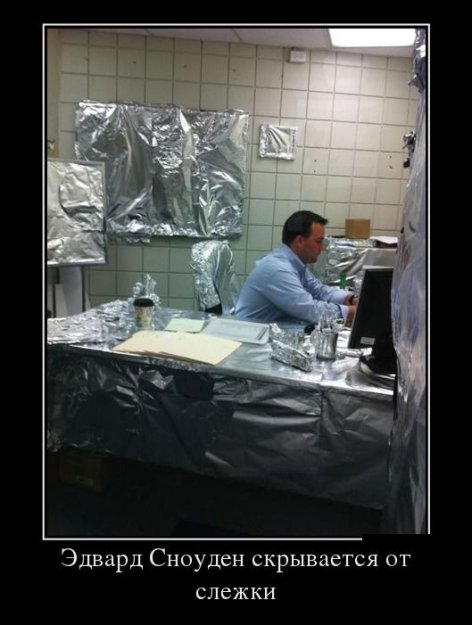
этот самый редактор поведал, что у него состоялся разговор с премьер-министром, где ПМ попросил ГР не разглашать государственную тайну. Давления ПМ на него не оказывал. Компьютеры ГР сжег добровольно.
Вот ведь как хорошо, когда человек настолько блестяще владеет иностранными языками, чтобы понять все нюансы и тонкости, а то, ведь, если учил его только в ПТУ, да и то, прогуливая классы, можно ненароком сделать совершенно неправильные выводы из слов главного редактора Гардиан, напечатанных в его же издании.
A little over two months ago I was contacted by a very senior government official claiming to represent the views of the prime minister. There followed two meetings in which he demanded the return or destruction of all the material we were working on. The tone was steely, if cordial, but there was an implicit threat that others within government and Whitehall favoured a far more draconian approach...
The mood toughened just over a month ago, when I received a phone call from the centre of government telling me: "You've had your fun. Now we want the stuff back." There followed further meetings with shadowy Whitehall figures. The demand was the same: hand the Snowden material back or destroy it...
During one of these meetings I asked directly whether the government would move to close down the Guardian's reporting through a legal route – by going to court to force the surrender of the material on which we were working. The official confirmed that, in the absence of handover or destruction, this was indeed the government's intention...
I explained to the man from Whitehall about the nature of international collaborations and the way in which, these days, media organisations could take advantage of the most permissive legal environments. Bluntly, we did not have to do our reporting from London. Already most of the NSA stories were being reported and edited out of New York. And had it occurred to him that Greenwald lived in Brazil?
The man was unmoved. And so one of the more bizarre moments in the Guardian's long history occurred – with two GCHQ security experts overseeing the destruction of hard drives in the Guardian's basement just to make sure there was nothing in the mangled bits of metal which could possibly be of any interest to passing Chinese agents. "We can call off the black helicopters," joked one as we swept up the remains of a MacBook Pro.
The state that is building such a formidable apparatus of surveillance will do its best to prevent journalists from reporting on it. Most journalists can see that. But I wonder how many have truly understood the absolute threat to journalism implicit in the idea of total surveillance, when or if it comes – and, increasingly, it looks like "when".
Ведь, действительно, только сейчас, после перечитывания, стало понятно, что всё было сделано исключительно добровольно, без каких-либо угроз и нажима, при полном понимании главным редактором важности той миссии, которую выполняет английский официоз, когда, как некоторые клевещут, он прессует свободную прессу, якобы затыкая ей рот. Как можно иной раз ошибиться!
Единственное, что остаётся пока не очень понятным - с чего бы это встали на дыбы англоязычные журналисты после добровольного HDD-аутодафе в редакции - ведь главный редактор им всё популярно объяснил.
P.S. Вообще, обратил внимание, что если бы отдельные граждане, хотя бы сотую часть той изворотливости, которую они столь рьяно и неизменно демонстрируют, отмазывая своего, недавно обретённого или страстно желанного нового сюзерена, стремясь по-возможности стать «святее папы Римского», применяли по отношению к объяснению тех или иных действий российских властей, острота дискуссий в самых разных темах заметно бы снизилась.